Wet Blue Tannery: The Backbone of Quality Leather Goods and Modern Leather Processing
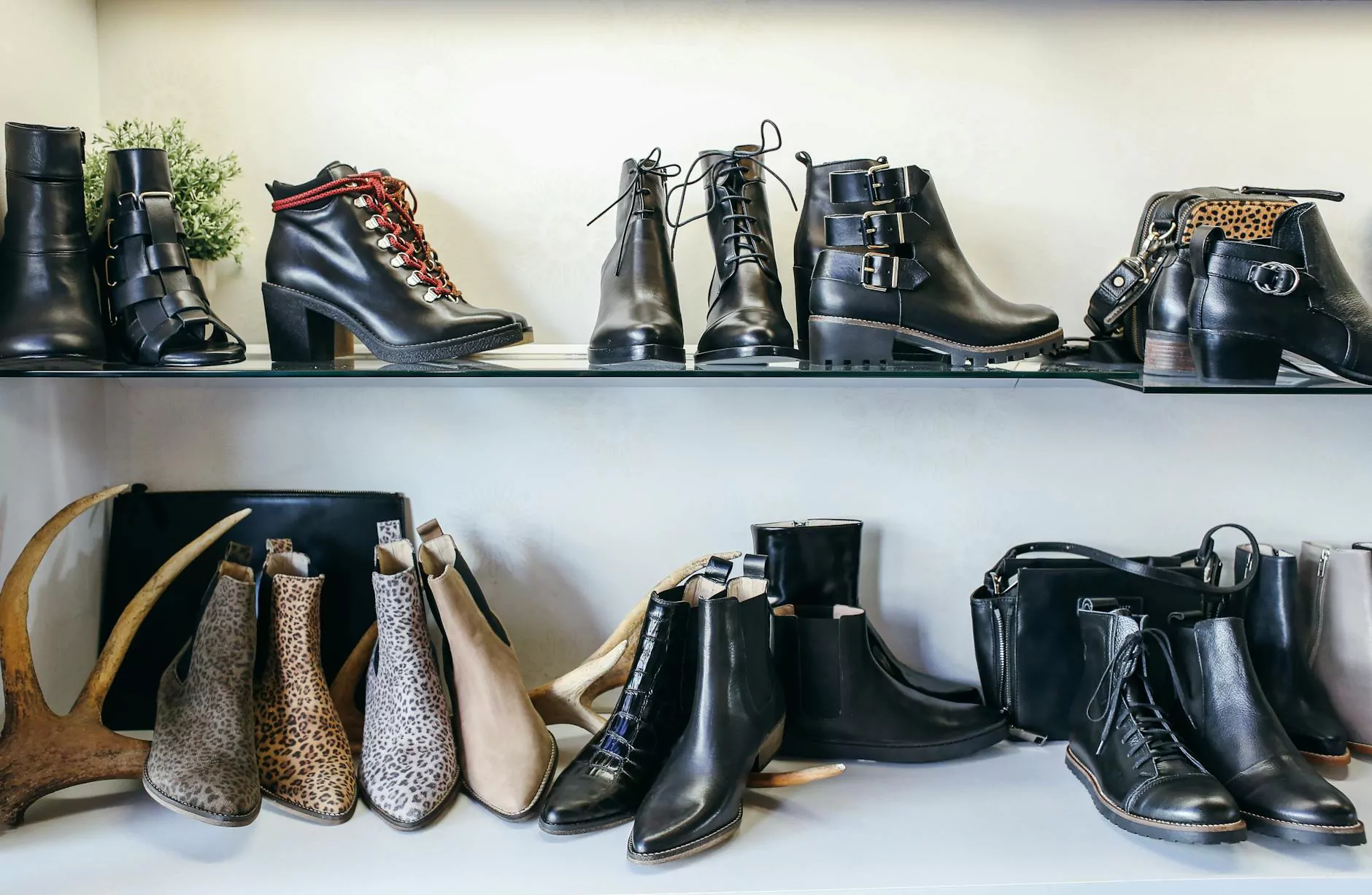
Within the vast and dynamic world of leather manufacturing, wet blue tannery stands as a cornerstone process that ensures the production of high-quality, durable, and sustainable leather products. As the foundation of the leather supply chain, wet blue tanning transforms raw hides into the stabilized, versatile material essential for creating a diverse array of leather goods, ranging from fashion accessories to industrial applications.
Understanding the Wet Blue Tannery Process: A Critical Step in Leather Manufacturing
To appreciate the importance of wet blue tannery, it is essential to understand its place within the broader scope of leather processing. The process encompasses several tightly controlled stages designed to preserve, stabilize, and prepare raw hides for finishing:
- Pre-Tanning Preparation: Raw hides, often sourced from cattle, sheep, or other livestock, are thoroughly cleaned to remove dirt, blood, and residual tissues.
- Soaking and Liming: The hides are soaked to rehydrate them, followed by liming, which opens the fibers and removes hair and epidermal layers.
- Unhairing and Depilation: Chemical or enzymatic processes eliminate hair and excess tissue, preparing the hide for tanning.
- Tanning with Chrome Salts: This is the core process where the wet blue tannery takes its name from—using chromium salts to convert raw hides into a stable, hydrated form called “wet blue.”
The Science and Art Behind Chrome Tanning in Wet Blue Tannery
Chrome tanning is a revolutionary process that imparts several vital properties to leather, making it resistant to decay, mold, and general wear. During the wet blue tannery phase, chromium salts fix within the collagen fibers of the hide, stabilizing its structure through complex chemical reactions:
- Chromium Salts Penetration: The salts deeply infiltrate the collagen matrix, providing uniform tanning across the entire hide.
- Fixation and Stabilization: The chemical bonds formed stabilize the collagen fibers, preventing deterioration.
- Color and Appearance: The process yields a characteristic blue hue—hence the term “wet blue”—which indicates the leather’s readiness for further processing.
This method offers numerous benefits:
- Speed: Chromium tanning is faster compared to vegetable tanning.
- Consistency: The process ensures uniform quality across large production batches.
- Durability: The resulting leather exhibits excellent resistance against moisture, heat, and microbial attacks.
Environmental and Sustainability Considerations in Wet Blue Tannery
While wet blue tanning revolutionized leather processing through its efficiency, it is not without environmental concerns. Chromium wastewater, if not properly managed, can pose significant ecological risks. Recognizing this, industry leaders and firms like hidesskingmbh.com actively employ sustainable and eco-friendly practices in their wet blue tannery operations:
- Efficient Wastewater Treatment: Advanced filtration and chemical recovery systems reduce chromium pollution.
- Alternative Tanning Agents: Innovations in chrome-free tanning methods, though still emerging, are gradually complementing traditional processes.
- Recycling and Reuse: Tannery waste materials are repurposed for fertilizers, construction materials, and other industries.
These measures promote environmentally responsible tanning, ensuring that the manufacture of premium leather goods aligns with global sustainability goals.
The Role of Wet Blue Tannery in the Leather Goods Industry
The significance of wet blue tannery extends beyond the processing stage—it directly influences the quality, appearance, and performance of finished leather products. Leather goods manufacturers rely on wet blue leather for its:
- Strength and Durability: Ideal for products exposed to wear, such as shoes, belts, and handbags.
- Flexibility: Suitable for manufacturing items that require shaping and molding.
- Consistent Quality: Ensures uniformity across large production volumes, crucial for high-end brands.
- Wide Range of Finishing: Easily dyed, embossed, or treated to achieve desired aesthetics and functions.
The Competitive Edge of Companies Engaged in Wet Blue Tannery
Leading businesses like hidesskingmbh.com have gained a competitive advantage by investing in advanced wet blue tanning facilities. Their focus on combining traditional craftsmanship with newer, sustainable technologies allows them to deliver superior leather products that meet international standards. Benefits include:
- High-Quality Raw Material Supply: Strict selection of raw hides and advanced processing techniques guarantee premium wet blue leather.
- Customization and Innovation: Offering tailored tanning solutions to meet specific client needs.
- Sustainability Commitment: Investing in environmentally responsible process improvements to reduce ecological footprint.
- Global Market Reach: Capable of exporting high-grade leather to fashion houses, upholstery brands, and industrial manufacturers worldwide.
Future Trends in Wet Blue Tannery and Leather Processing
The world of wet blue tannery is evolving rapidly, driven by technological advancements and increased environmental awareness. Future trends include:
- Development of Chrome-Free Tanning: Moving toward greener, less toxic alternatives without compromising quality.
- Digital Monitoring and Automation: Integrating sensors, IoT, and automation to improve process control and reduce waste.
- Enhanced Waste Management: Innovative methods for chromium recovery and sustainable disposal.
- Premium Craftsmanship: Combining traditional tanning art with modern techniques to create luxury leathers with distinctive qualities.
Why Choose Industry Leaders Like hidesskingmbh.com for Your Leather Needs?
When sourcing raw material or finished leather products, partnering with an experienced wet blue tannery provider such as hidesskingmbh.com offers numerous advantages:
- Consistent Quality Assurance: Stringent quality control processes ensure reliable, high-standard leather products.
- Sustainable Practices: Commitment to eco-friendly processes aligns with global sustainability initiatives.
- Global Supply Capabilities: Ability to meet bulk demands efficiently while maintaining flexibility for custom orders.
- Technical Expertise: Skilled team dedicated to innovation, research, and development in leather processing.
Final Thoughts: The Enduring Significance of Wet Blue Tannery in Leather Manufacturing
The wet blue tannery process embodies the perfect marriage of scientific precision and artisanal craftsmanship. It serves as a crucial pillar that supports the entire leather goods industry, ensuring that the final products are of the highest quality, durability, and aesthetic appeal. As the industry continues to evolve with sustainability and technology at the forefront, companies committed to ethical and innovative wet blue tanning will remain at the cutting edge of the market.
For businesses seeking top-tier leather supplies, the expertise and sustainable practices of reputable tanneries like hidesskingmbh.com make them reliable partners in meeting the growing global demand for premium, environmentally responsible leather products.
In summary, understanding and valuing the critical role of wet blue tannery can significantly influence the quality and success of your leather-based products, whether in fashion, upholstery, or industrial sectors.